The AI text to speech landscape has shifted significantly over the past year. Models now produce voices that are nearly indistinguishable from human recordings, with sub-100ms latency, multilingual cloning from short audio samples, and fine-grained emotional control. Whether you are building a voice agent, narrating long-form content, or producing short-form video at scale, the tool you pick matters more than ever. This guide compares six of the strongest AI-powered platforms available right now, based on real output quality, pricing, and practical use cases.
The category has grown crowded, so this comparison focuses on what actually separates one platform from another: voice naturalness, latency, language coverage, cloning fidelity, and API flexibility. We tested each tool with the same set of scripts, ranging from casual conversational prompts to formal narration and multilingual passages, and scored them on the criteria that matter most to creators working in audio and video production.
One note before diving in: this is not a ranked list. Each tool below solves a different problem, and the best choice depends on your workflow. We have organized them by primary strength so you can jump to the category that matters most.
The tools covered here are ElevenLabs, Cartesia, Fish Audio, Murf AI, and Amazon Polly. Each represents a different philosophy: studio polish, raw speed, cloning fidelity, accessibility, and enterprise infrastructure.
ElevenLabs: The Studio-Grade Standard
ElevenLabs remains the name most creators associate with high-quality AI speech.
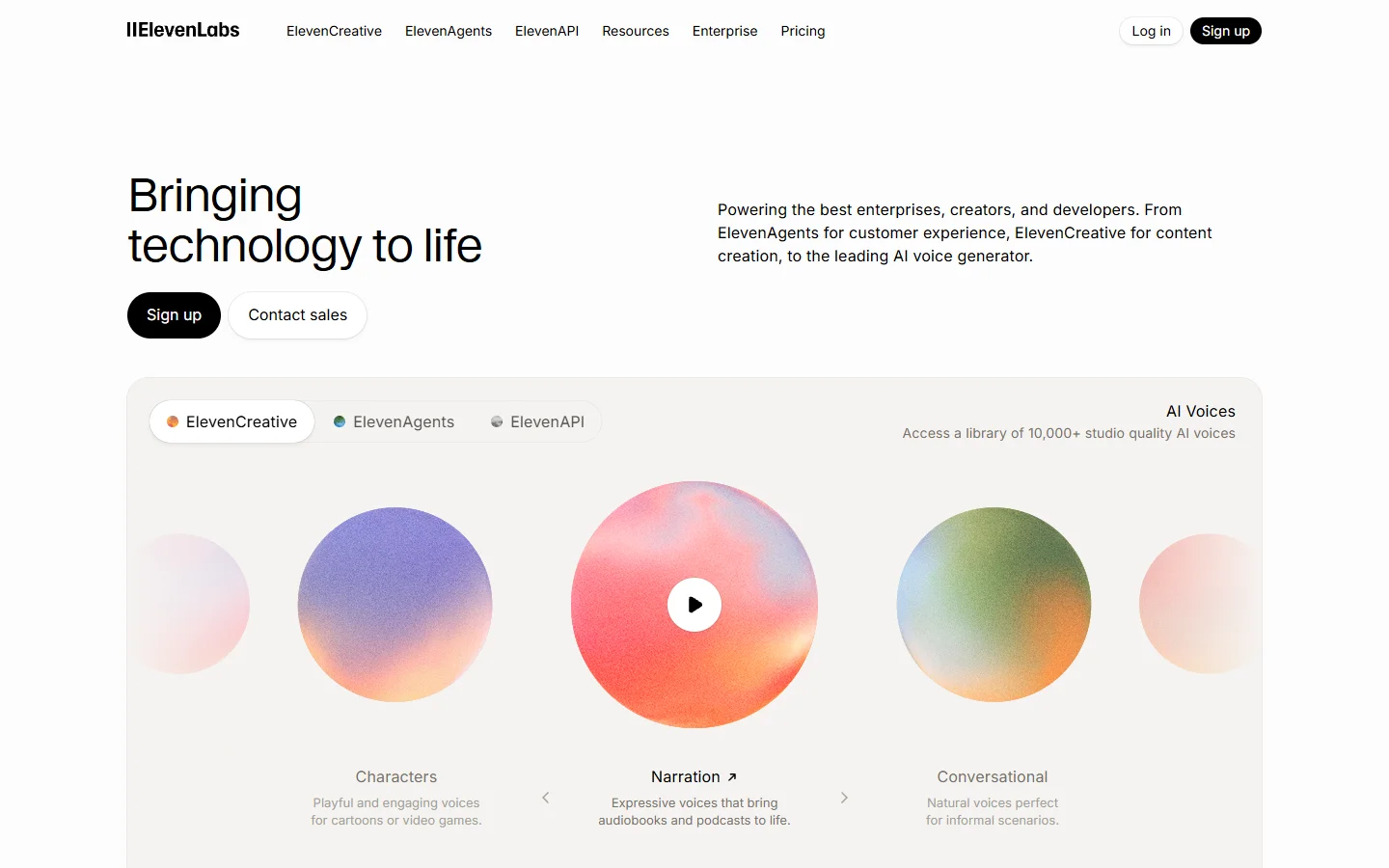
Their Eleven v3 model supports 74 languages with remarkably consistent output across all of them. Voice cloning requires only a few seconds of source audio and produces results that retain the original speaker's cadence and tone with impressive accuracy.
- Strength: Best-in-class narration quality with deep emotional range
- Weakness: Higher per-character pricing than most competitors
- Best for: Audiobook production, podcast narration, AI video voiceovers
The platform also offers a Projects feature for managing long-form content with multiple speakers. You can assign different cloned voices to different characters and adjust pacing, pauses, and emphasis at the paragraph level. For teams producing serialized audio content, this workflow alone justifies the premium.
Cartesia Sonic 3: Built for Speed
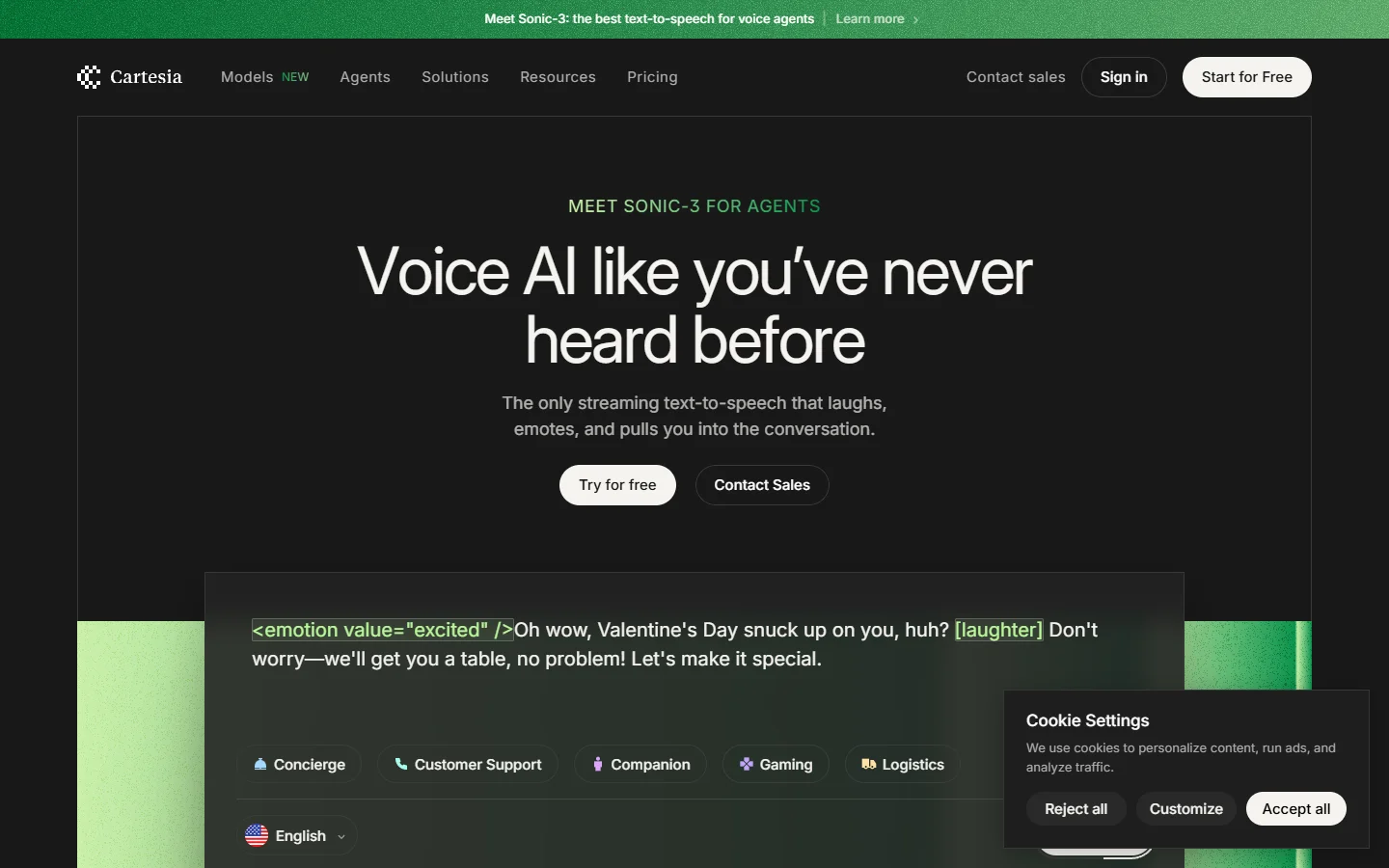
If your use case demands real-time interaction, Cartesia deserves a close look. Their Sonic 3 model delivers approximately 90ms time-to-first-audio, which is the lowest measured latency among the tools tested here. That speed makes conversations feel genuinely responsive rather than turn-based.
- Strength: Lowest latency available, ideal for voice agents
- Weakness: Smaller voice library compared to ElevenLabs
- Best for: Conversational AI, customer service bots, real-time AI applications
Cartesia's API is straightforward to integrate, with streaming support out of the box. The tradeoff is a narrower set of pre-built voices, though their custom voice training produces solid results from short samples. If you are building real-time avatar experiences, the low latency pairs well with lip-sync pipelines.
Fish Audio: Voice Cloning Leader
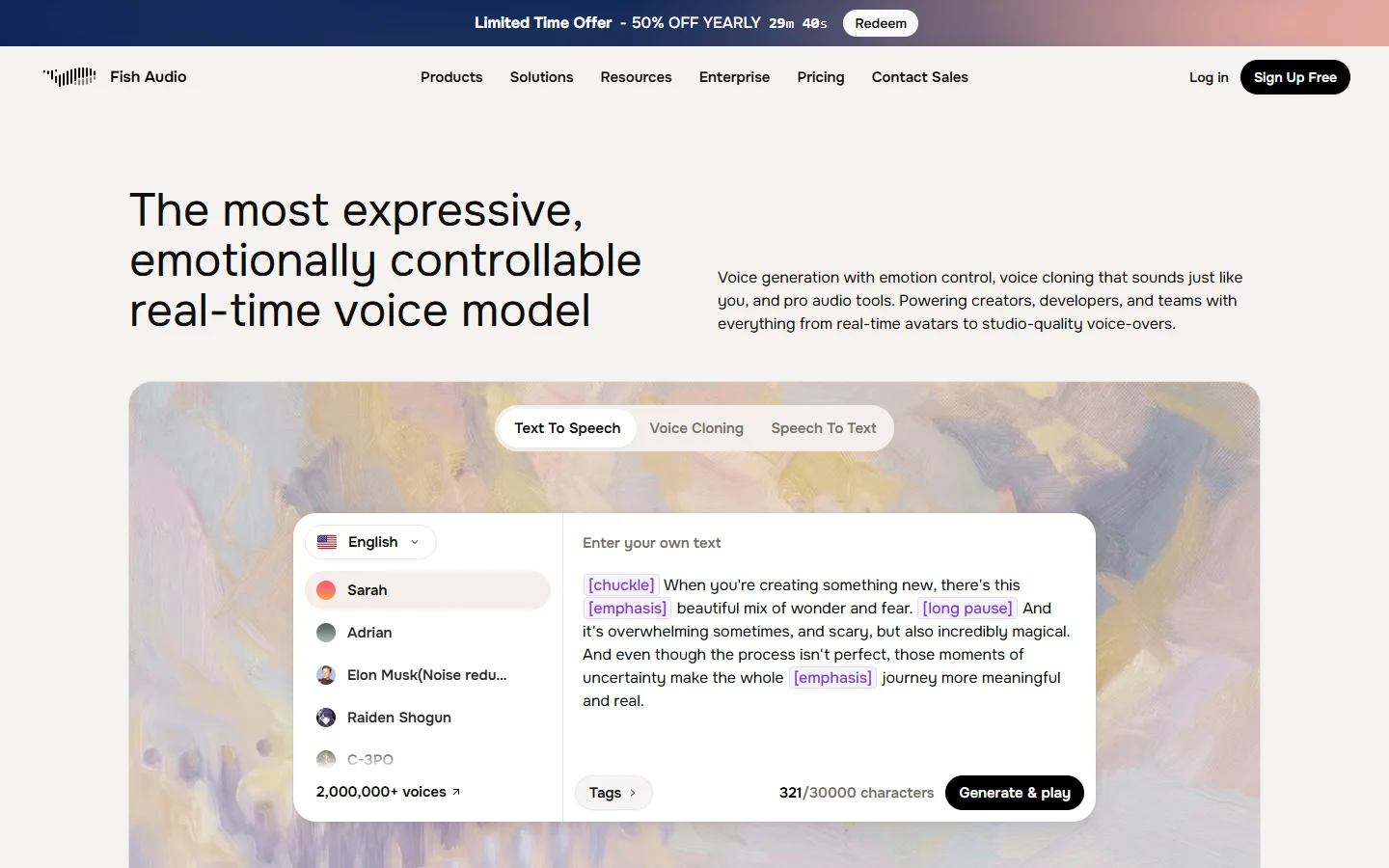
Fish Audio's S2 model has quietly become the top-ranked voice cloning system in independent benchmarks. It clones any voice from a 15-second sample across 80+ languages, with controls for emotion, pacing, and emphasis that go beyond what most competitors offer.
- Strength: Most natural voice cloning available, ranked #1 in ELO benchmarks
- Weakness: Smaller brand presence; fewer tutorials and community resources
- Best for: Multilingual content localization, personalized AI-generated media
Pricing starts around $15 per million characters, which is roughly ten times cheaper than ElevenLabs for equivalent output. For teams processing large volumes of text, particularly localization workflows across multiple languages, the cost savings are substantial.
Murf AI: The Accessible All-Rounder
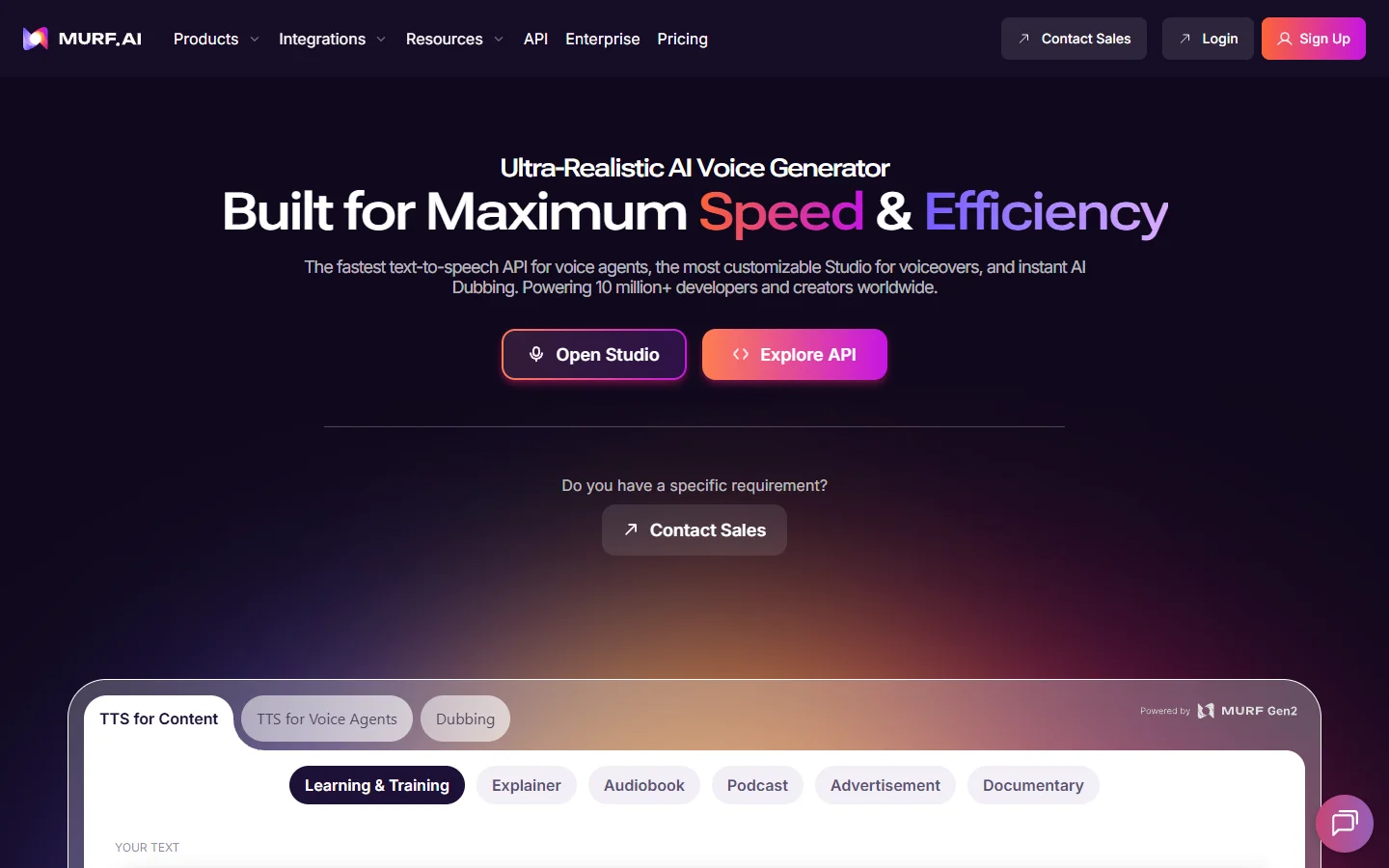
Murf positions itself as the easiest entry point for teams that need professional voiceover without a steep learning curve. The browser-based studio lets you type or paste a script, pick from over 200 voices across 20+ languages, and export in minutes.
- Strength: Intuitive UI with built-in video and presentation sync
- Weakness: Less fine-grained control over prosody than ElevenLabs or Fish Audio
- Best for: Marketing teams, e-learning content, product demos
Murf also includes a built-in video editor, which lets you sync voiceover with slides, images, or screen recordings directly in the platform. If your workflow is "script to finished video" and you want to skip juggling multiple tools, this is a practical choice for short-form creators.
Amazon Polly: Enterprise Infrastructure Play
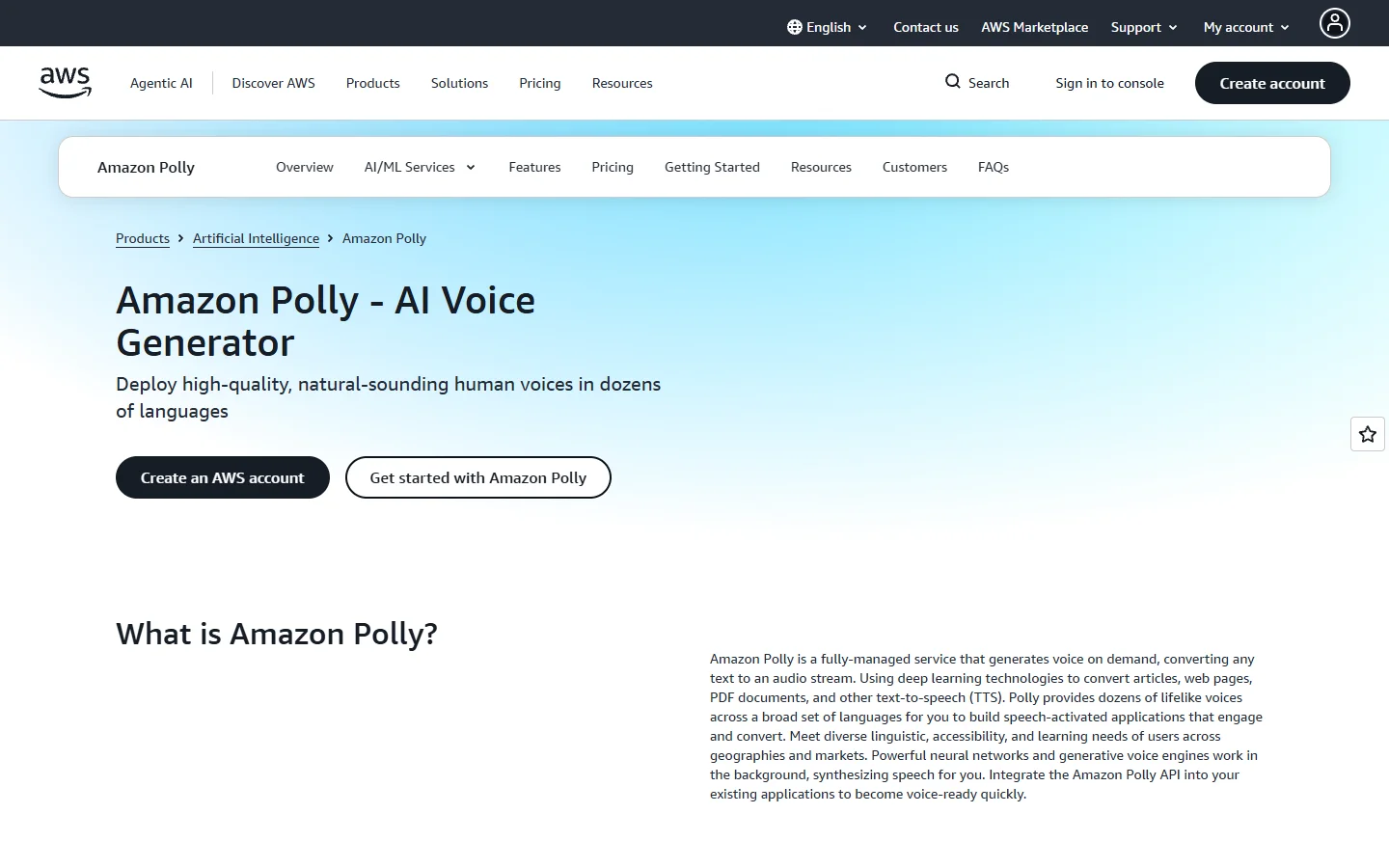
Amazon Polly is the TTS option for teams already embedded in the AWS ecosystem. It supports SSML for precise pronunciation control, offers Neural TTS voices that sound significantly better than the older Standard tier, and scales to virtually any volume without infrastructure concerns.
- Strength: Deep AWS integration, SSML support, pay-per-use pricing
- Weakness: Voice quality trails dedicated TTS platforms like ElevenLabs
- Best for: Large-scale automated content pipelines, IVR systems, accessibility features
Polly's real advantage is operational: if you are already running on AWS, adding Polly to your stack is a single API call away. For teams building accessible versions of existing content at enterprise scale, the economics work out well.

How to Choose the Right Tool
Picking the right TTS platform depends on three factors: what you are building, how much control you need over the voice, and your budget.
For creative and narrative work (audiobooks, podcasts, storytelling), ElevenLabs and Fish Audio lead the field. ElevenLabs offers the more polished studio experience for AI creators; Fish Audio offers better cloning fidelity at a fraction of the price.
For real-time voice agents, Cartesia's latency advantage is difficult to ignore. A 90ms response time creates a fundamentally different user experience than a 300ms one.
For enterprise and high-volume pipelines, Amazon Polly and Murf each solve different problems. Polly handles scale and infrastructure; Murf handles speed-to-production for non-technical teams.
A few practical tips: always test with your actual content before committing. A tool that excels at short promotional scripts may struggle with 30-minute narration. Check language support for your specific target languages, not just the total count. And if voice cloning is important, run a blind comparison with at least two platforms before locking in.
FAQ
What is the most natural-sounding AI text to speech tool in 2026?
ElevenLabs Eleven v3 and Fish Audio S2 both produce output that is difficult to distinguish from human recordings. ElevenLabs edges ahead on long-form narration, while Fish Audio leads in voice cloning naturalness based on independent ELO benchmarks.
Which TTS tool has the lowest latency for real-time use?
Cartesia Sonic 3 delivers approximately 90ms time-to-first-audio, making it the fastest option tested. This matters most for conversational AI and voice agent applications where response delay breaks the experience.
Is AI text to speech good enough for audiobooks?
Yes. ElevenLabs in particular is already used in commercial audiobook and video production. The key is choosing a tool with strong prosody control so you can adjust pacing, emphasis, and pauses across chapters.
How much does AI text to speech cost?
Pricing varies widely. Fish Audio starts around $15 per million characters. ElevenLabs charges significantly more but includes advanced studio features. Amazon Polly uses pay-per-use pricing that scales well for high-volume applications. Most platforms offer free tiers for testing.
Can I clone my own voice with these tools?
ElevenLabs, Fish Audio, and Cartesia all support voice cloning from short audio samples (as little as 15 seconds). Quality varies by platform; Fish Audio currently produces the most faithful clones in blind tests.
Which tool is best for multilingual content?
ElevenLabs supports 74 languages; Fish Audio covers 80+. Both handle cross-lingual voice cloning and generation, meaning you can clone a voice in one language and generate speech in another while preserving the original speaker's characteristics.
Are there free AI text to speech options?
TTSMaker offers free TTS with no account required. Most paid platforms (ElevenLabs, Murf, Fish Audio) provide free tiers with limited character counts, which is usually enough for testing and small creative projects.
Conclusion
The best AI text to speech tool in 2026 depends entirely on what you are building. ElevenLabs remains the most complete platform for creative production. Fish Audio offers the best value and cloning quality. Cartesia wins on latency for real-time applications. Murf keeps things simple for marketing and e-learning teams. And Amazon Polly handles scale within the AWS ecosystem. Test each with your own content, compare the output honestly, and let the results guide your decision rather than marketing claims. For more AI tool comparisons, check the full archive.