
For decades, service businesses have faced the same hidden problem.
Missed calls.
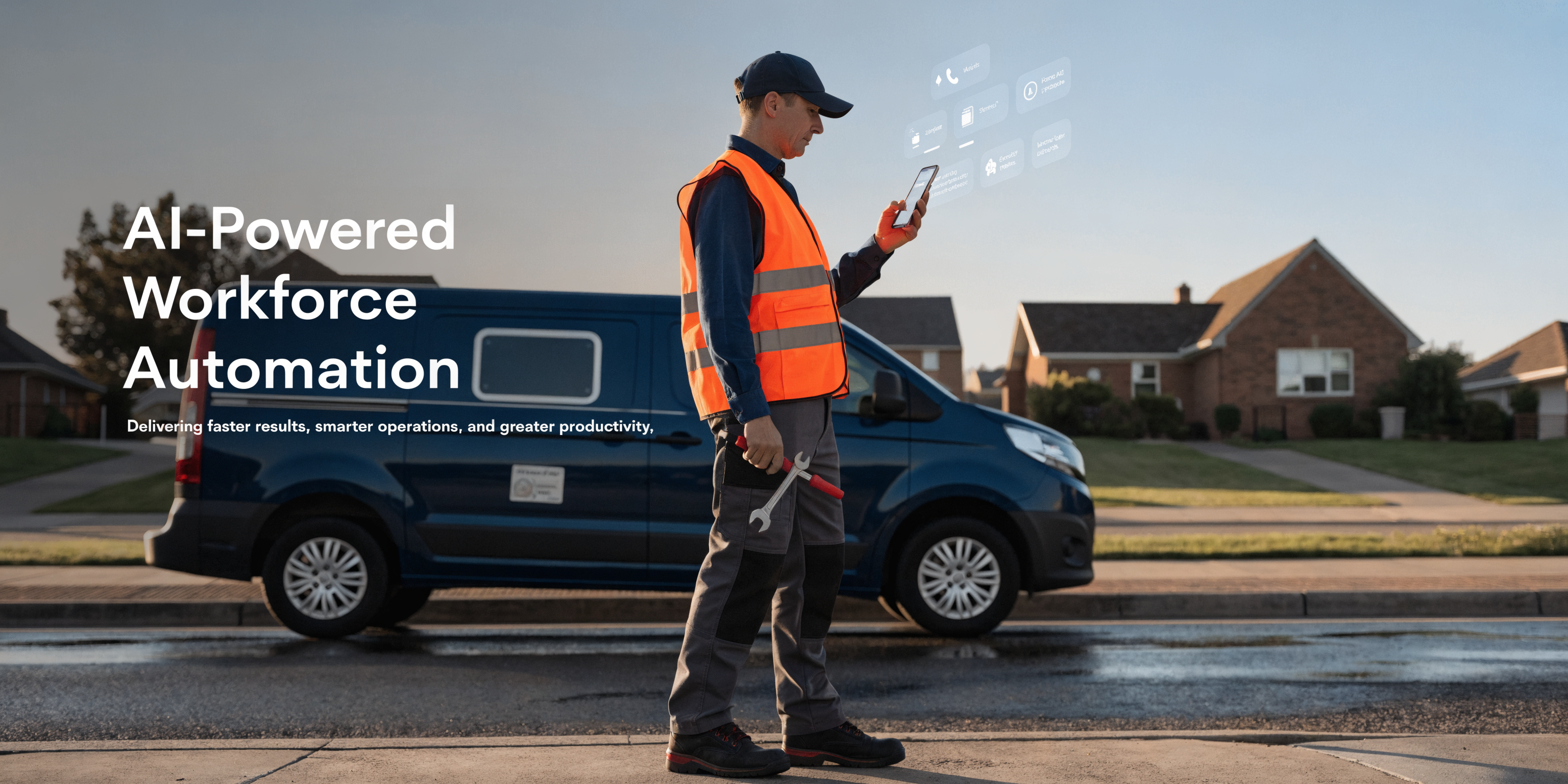
A plumber on site. An electrician inside a roof cavity. A landscaper running machinery.
The phone rings, nobody answers, and a potential job disappears.
In industries where speed equals revenue, communication has always been the bottleneck. Today, AI receptionists are quietly solving that problem, and platforms like AI voice receptionists for tradies are redefining how service businesses manage incoming work.
The Real Cost of Missed Calls
Most tradies do not lose work because of skill or reputation.
They lose work because they are busy.
When a customer calls, they want immediate confirmation. If nobody answers, they simply contact the next business listed online. The difference between winning and losing work often comes down to who responds first.
Historically, small teams accepted missed calls as unavoidable. Today, automation makes constant availability possible without hiring additional staff.
Why Traditional Reception Models No Longer Scale
Service businesses have typically relied on three approaches:
- Hiring an in house receptionist
- Using external answering services
- Managing calls manually between jobs
Each option introduces limitations. Staffing increases overhead, while answering services often capture messages without progressing the job further.
Modern businesses need systems that do more than answer phones. They need tools that actively move work forward.
Enter the AI Receptionist
An AI receptionist operates as a full time front desk that never stops working. To ensure these automated systems can send out booking confirmations without being flagged as spam, it is essential to use an spf record generator to authorize your sending domain correctly.
Instead of simply recording enquiries, modern systems can:
• answer calls instantly • collect customer details • book jobs directly into calendars • send confirmations and reminders • store customer data inside a central CRM
Solutions such as Sophiie AI combine communication, scheduling, and lead management into a single workflow, removing much of the manual admin traditionally required to run a trades business. These systems act as an always on office manager, handling calls, messages, and bookings automatically so teams can stay focused on real work. ([Sophiie.ai][1])
The result is simple.
Every enquiry gets handled, even while the team is on site.
Built for Tradies, Not Office Workflows
One of the biggest barriers to technology adoption in trades has always been complexity.
Many business tools were designed for office environments rather than field work. Tradies need systems that function while driving, working on equipment, or moving between locations.
AI reception platforms built specifically for service industries align with how trades businesses actually operate. Calls are handled automatically, bookings happen in real time, and customer communication continues without interrupting active jobs.
Instead of adapting workflows to software, the software adapts to the workflow.
From Receptionist to Business Operating System
The most interesting shift is that AI receptionists are evolving beyond communication tools.
They are becoming operational infrastructure.
A single system can now replace multiple disconnected tools by combining:
• voice receptionist • lead capture • scheduling • CRM management • automated follow ups
For many businesses, this creates a centralized view of every customer interaction without additional administrative workload.
Why Adoption Is Accelerating
Several factors are pushing rapid adoption across Australian service industries.
Rising labour costs make administrative hiring harder to justify.
Customer expectations continue increasing, with instant response becoming the norm.
Smaller teams want enterprise capability, allowing them to compete with larger companies without expanding headcount.
AI systems allow businesses to scale operations without scaling complexity.
The Bigger Shift: AI Powered Service Companies
AI receptionists represent the first step toward fully AI assisted service businesses.
Instead of adding employees to grow revenue, businesses add systems.
The technician focuses on skilled work. Automation handles coordination and communication.
This separation unlocks a new operating model where small teams can manage significantly higher job volumes without operational overload.
What This Means for the Future of Tradies
Over the next few years, competitive advantage will come from responsiveness rather than size.
Businesses that answer every call, capture every lead, and automate repetitive administration will consistently outperform those relying on manual processes.
AI receptionists are not replacing tradespeople.
They are removing friction between demand and delivery.
Less admin. Faster response times. More completed jobs.
Beyond Reception: The Rise of AI Workflows
AI receptionists solve communication, but many businesses are now extending automation into marketing, incorporating lead generation automation to find new clients proactively, media production, and internal operations.
Platforms like Wireflow AI creative workflows allow businesses to connect multiple AI tools into structured systems, turning repetitive creative or operational tasks into reusable workflows. These platforms focus on connecting models, automations, and outputs into repeatable pipelines rather than isolated tools. ([wireflow.ai][2])
As AI adoption grows, many companies are moving away from fragmented tools toward unified workflow environments. Businesses exploring alternatives to traditional node based builders often compare solutions such as:
• Weavy AI alternatives • Flora AI alternatives • ComfyUI alternatives
The broader trend is clear. AI is shifting from single tools toward connected operating systems for modern businesses.
As teams extend automation from call handling into revenue operations, a 2026 guide to the 18 best AI sales enablement tools outlines how data, content, and coaching platforms layer on top of receptionist workflows. Tools like the ZoomInfo sales enablement platform help tradies enrich leads, auto-route prospects to the right calendars, and trigger targeted follow-ups from the same CRM that captures inbound calls. - Placement: Insert as a new paragraph under “From Receptionist to Business Operating System,” immediately after the paragraph ending with “without additional administrative workload.”
Final Thoughts
Every major technology shift changes how businesses operate.
Online booking replaced paper diaries. Cloud software replaced spreadsheets. Now AI receptionists are eliminating missed opportunities.
For modern service businesses, the question is no longer whether automation belongs in operations.
It is how quickly businesses adopt systems that allow them to respond faster, operate more efficiently, and grow without burnout.