
The market for AI content generation APIs has fractured into dozens of specialized providers, each claiming the best models, the lowest latency, or the most generous free tier. For developers building products that rely on generated text, images, or video, the choice of API now shapes everything from product quality to monthly burn rate. If you have been exploring AI-powered creation tools, you already know the options are overwhelming.
The shift from single-model providers to multi-model platforms has changed how teams evaluate these APIs. Today, the smartest teams route different tasks to different models based on cost, speed, and output quality. Understanding the available AI models and their strengths is the first step toward building a reliable content pipeline.
What to Look For in a Content Generation API
Before comparing individual providers, it helps to define what matters when evaluating a content generation API for production use. The AI API landscape has matured, and the criteria go beyond raw model quality. Key factors include latency under load, model variety across modalities, pricing transparency, SDK quality, and uptime reliability.
OpenAI API
OpenAI remains the default choice for many teams, largely because of GPT-4's reputation and the ecosystem around it. The API covers text generation, image generation (DALL-E 3), text-to-speech, and embeddings, making it one of the broadest single-provider offerings available.
The developer experience is polished with SDKs for Python and Node.js, thorough documentation, and a playground for prompt testing. For teams that need enterprise-grade AI tooling, OpenAI's structured outputs and function calling make integration straightforward. Where it struggles is pricing at scale; token costs for GPT-4-class models add up quickly for high-volume applications.
Anthropic Claude API

Anthropic has carved out a strong position with Claude, particularly for long-context processing. The Claude 4 family supports up to 1 million tokens of context, opening up full codebase analysis, long document summarization, and multi-document reasoning.
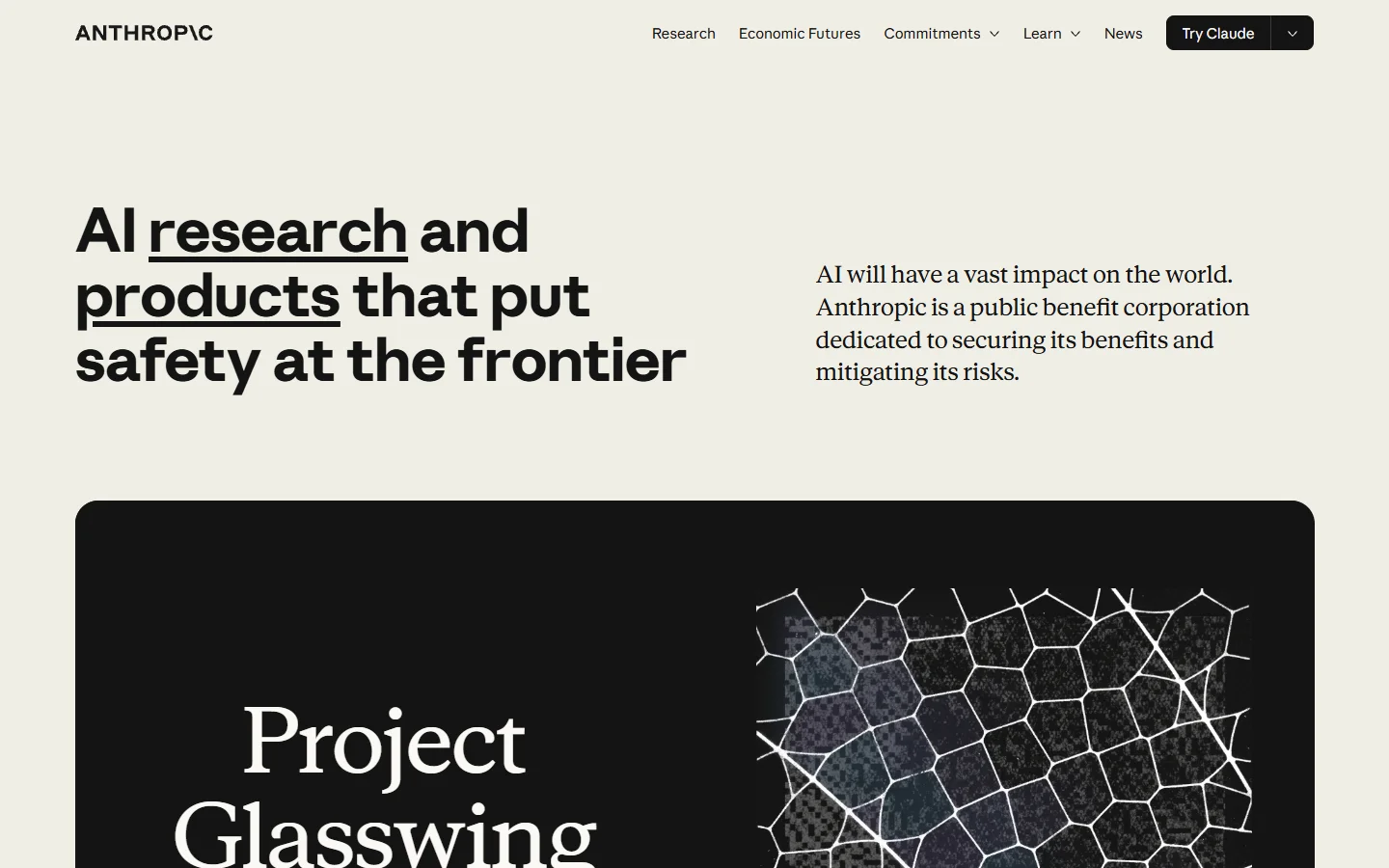
The API design is clean and documentation well-organized. Teams running complex generation workflows often pair Claude with a multi-model AI workflow tool to orchestrate tasks across providers and handle fallback routing automatically. The main weakness is narrower scope: no native image generation, no text-to-speech, and no embeddings endpoint.
Google Gemini API
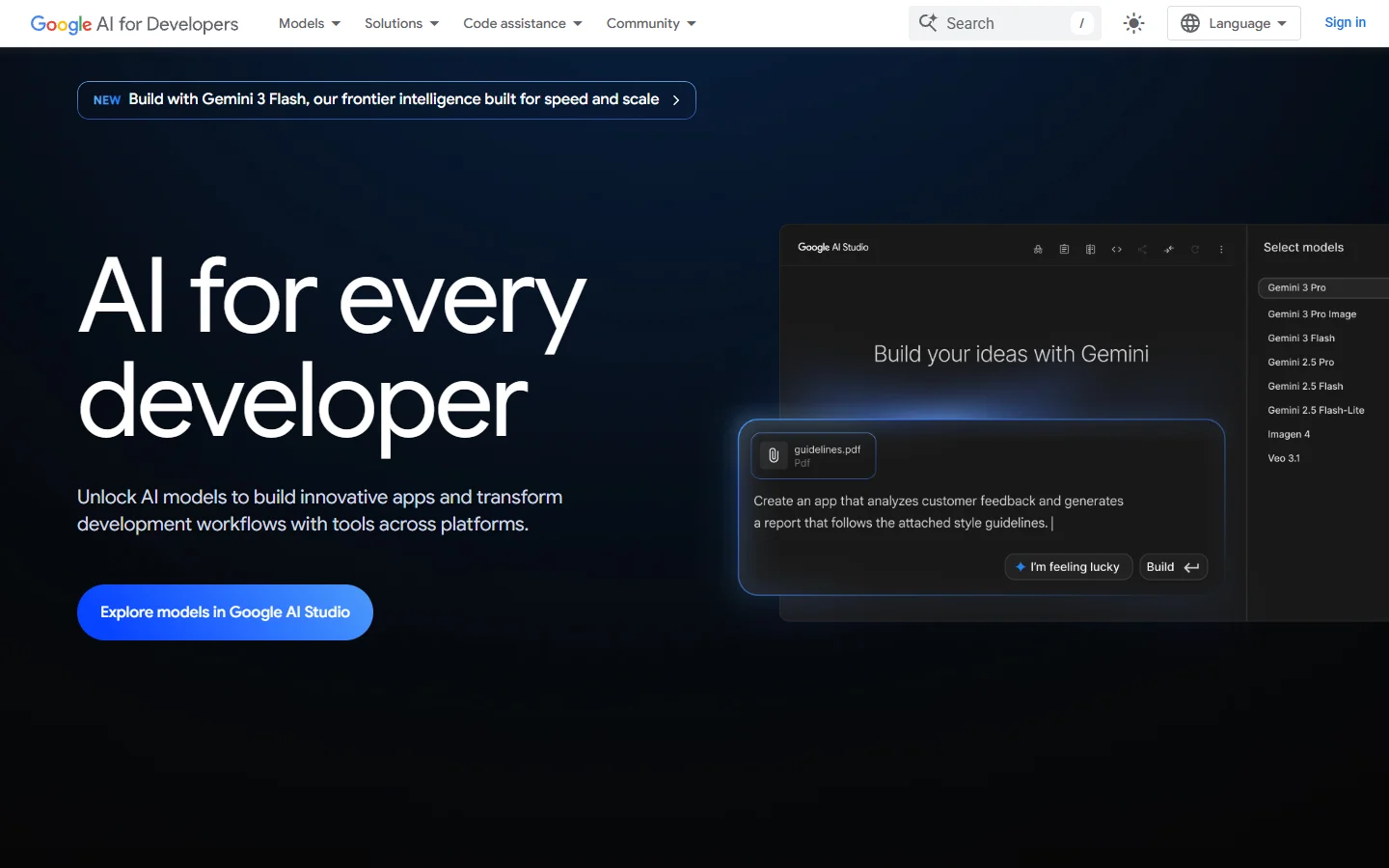
Google's Gemini API offers massive context windows, strong multimodal understanding, and competitive pricing that undercuts both OpenAI and Anthropic on a per-token basis. The free tier is notably generous, giving developers meaningful room to prototype without spending anything.
Google's Vertex AI platform wraps the same models with enterprise features like VPC access and SLA guarantees. For video-related projects, check this guide to AI video generation for context on how Gemini's Veo models compare. The downside remains Google's track record with developer products: API deprecations and confusing pricing tier changes create friction.
Mid-Tier Contenders: Cohere, Mistral, and fal.ai
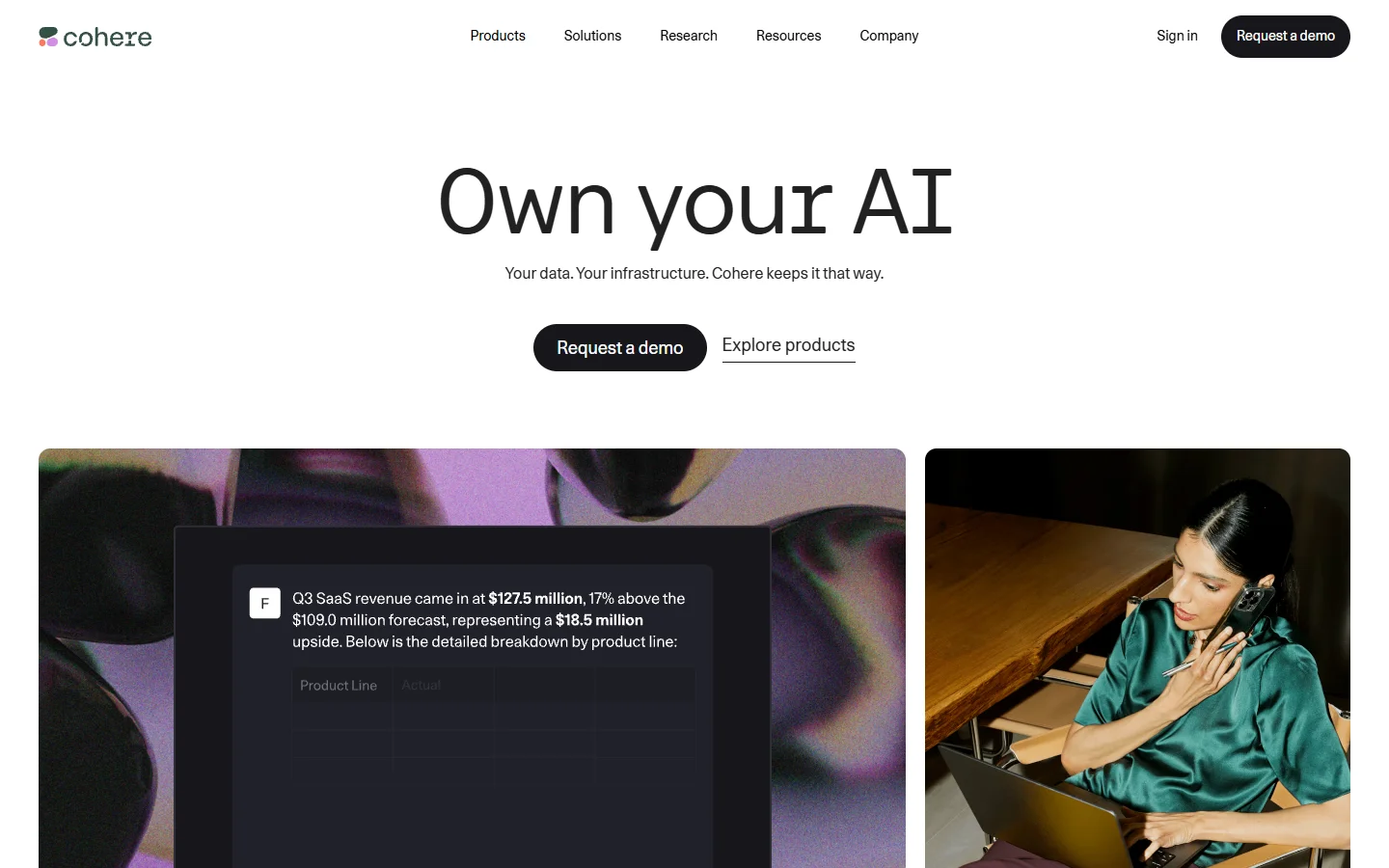
Cohere has focused heavily on enterprise search and RAG. Its Embed and Rerank APIs are arguably the best in class for building search systems that combine semantic understanding with keyword matching. The platform integrates well with the kind of AI-powered workflows that production teams actually build.
Mistral offers some of the best performance-per-dollar ratios in the market. Their open-weight models can be self-hosted for data sovereignty, while the hosted API provides a managed alternative. For European companies navigating GDPR, Mistral's Paris-based infrastructure is a meaningful advantage, and the company has built strong multilingual AI content capabilities.
fal.ai takes a different approach entirely, focusing on media generation APIs with fast inference for image and video models. Content teams creating animated explainers have found tools like Explee useful for turning API-generated assets into polished presentations.
How to Choose the Right API for Your Stack

The decision comes down to three questions: what modalities do you need, what is your volume, and where does your data live? For text only, you have the most options. For text plus image plus video, your choices narrow to OpenAI, Google, or a multi-provider setup. GDPR requirements and enterprise security policies may eliminate providers whose infrastructure is in the wrong jurisdiction. Many teams find that exploring AI photo generation tools alongside text APIs gives them a fuller picture of provider capabilities.
For many teams, the practical answer in 2026 is building an abstraction layer that routes to multiple providers. An AI workflow automation platform can handle this routing without requiring you to build and maintain orchestration logic yourself, letting you use the best model for each task while maintaining fallback options.
Pricing Snapshot
Here is what each provider charges for primary text generation models as of mid-2026. For image and video generation pricing, models are entirely different (per-image or per-second-of-video).
- OpenAI GPT-4o: Input $2.50/M tokens · Output $10/M tokens · Limited free tier
- Anthropic Claude Sonnet 4: Input $3/M tokens · Output $15/M tokens · Most popular for production
- Google Gemini 3 Flash: Input $0.075/M tokens · Output $0.30/M tokens · Generous free tier
- Cohere Command R+: Input $2.50/M tokens · Output $10/M tokens · Free trial available
- Mistral Large: Input $2/M tokens · Output $6/M tokens · Open-weight option available
FAQ
What is an AI content generation API?
A programmatic interface that lets developers send prompts and receive generated content (text, images, video, or audio). You integrate the API directly into your application code rather than using a web interface. Explore various AI generation features to see what these APIs can produce.
Which AI content generation API is cheapest?
Google Gemini Flash offers the lowest per-token pricing for text among frontier-class models. For images, fal.ai and open-source model providers tend to be cheaper than proprietary alternatives like DALL-E 3.
Can I use multiple AI APIs in the same project?
Yes. Many production teams route different tasks to different providers based on cost and quality. The challenge is managing authentication and response normalization across providers. Several workflow platforms now offer built-in multi-provider routing.
Do I need a GPU to use these APIs?
No. The provider runs models on their infrastructure. You send HTTP requests and receive responses from any device with internet access. This is the same principle behind hosted AI platforms that handle all compute for you.
Are these APIs safe for customer-facing content?
All major providers include content filtering. OpenAI is the most restrictive, Anthropic moderate, and Mistral gives you more control. Always implement your own review layer for customer-facing applications regardless of provider.
Wrapping Up
The AI content generation API landscape in 2026 rewards teams that pick providers based on specific needs rather than brand recognition. OpenAI offers breadth. Anthropic leads in long-context reasoning. Google undercuts on price. Cohere owns enterprise search. Mistral provides the best open-weight alternative. The smartest approach is to start with one, validate your use case, and expand to multi-provider routing as needs grow. For a broader view of how AI tools are evolving, the trend is clear: specialization is winning.