
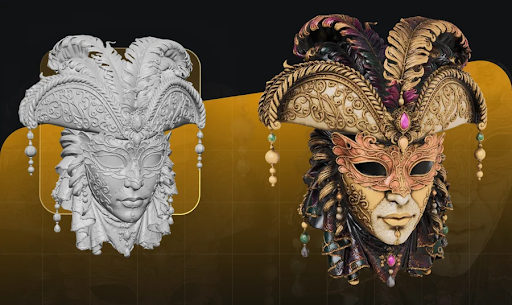
Creativity is what drives fashion. Every design originates with an idea; whether it is a concept for a runway show, a seasonal collection, a custom-made accessory, or an item of wearable art, it all started with an idea. Historically, the process of turning these fashion sketches into physical reality has been multi-staged. Designers have had to go through numerous stages before the accessory is ready for mass production, including 3D modeling, prototyping, editing, and the final preparations for production.
Thanks to modern technology, designers are now able to develop their accessory designs much faster and with a much more creative process than they ever have before. Designers are able to take their sketches and transform them into highly detailed three-dimensional models via the use of 3D Model Maker tools like Tripo 3D, which can then be used for visualization, editing, and ultimately for 3D printing. Whether a designer is creating a piece of jewelry, a handbag, a belt buckle, eyewear, or a decorative accessory for their clothing line, they can now convert their ideas into finished products much more quickly than before.
![][image1]
In the following paragraphs, we will explore how AI-based workflows are transforming fashion accessory design and paving the way for a whole new avenue of creative opportunity.
When a sketchbook becomes a manufacturing blueprint
Every fashion accessory starts as an idea.
Designers can sketch anything they like, be it an elegant pendant, an out-of-the-box bracelet, a bold statement buckle, or decorative fashion pieces. Sketches, while conveying a particular aesthetic and the artist's artistic style, only tell one story. They only really become a tangible reality when it's brought to life as a physical object.
Until recently, sketches had to be painstakingly translated into a 3D form by highly skilled 3D modelers, before they could make their way to the manufacturing department.
However, now tools like Tripo 3D help creators to produce 3D models of visual concepts in a fraction of the time; it gives you access to more possibilities, streamlining the process from sketch to final design-ready assets.
Why traditional accessory development takes longer than expected
The process of manually crafting accessories typically involve a number of steps, involving different technical skill sets.
Fashion designers usually:
-
Redraw sketches digitally
-
Sculpt detailed objects
-
Create prototype files
-
Test and adjust dimensions and proportions
-
Get the models ready for manufacturing
While a beautifully designed accessory made this way will undoubtedly be impressive, the process can also slow down the product development and give less room to experiment. For fashion brands focused on fashion-forward ideas and seasonal collection launches, a speedier design concept is the key to success.
Giving flat concepts the depth they deserve
Fashion sketches are wonderful at telling a story and can convey a certain feeling or style. However, many accessories rely on their shape, form, texture, and construction to make a statement. Sketches suggest these qualities, but can never fully illustrate how a finished piece will look.
Tripo 3D will help designers get an in-depth feel for their concepts by rendering image to 3D models from all angles before even thinking about the manufacturing process. A thorough grasp of the 3D look of a piece will ensure designers refine the look of the design and create a better final product.
Turning creative exploration into a competitive advantage
Speed and accuracy in design creation are crucial in the fashion world. Consumer tastes can change at a moment’s notice; the world is constantly evolving, and there is pressure on designers to come up with new and interesting products faster. A faster design and testing process allows designers to work through more creative options before choosing the best idea.
By creating 3D models using Tripo 3D, designers can spend more time evaluating creativity rather than the technical aspects of production.
Where technology empowers rather than replaces creativity
The concern that AI will diminish originality may be misguided; modern design tools work best to augment human design, not substitute it. Vision, stories, aesthetics, and self-expression remain the key elements of fashion. All that modern technology, such as Tripo 3D, does help you achieve the results more quickly.
Tripo 3D acts as your creative collaborator, helping designers to achieve that first look faster. The result of blending creativity with technology is a remarkable number of new opportunities being created in the fashion industry.
Transforming illustrations into digital accessories
Fashion designers work with all kinds of sketches –concept, mood boards, technical drawings and hand-drawn pictures. Tripo 3D allows for the effortless generation of complex 3D models using an image. All designers have to do is take the visual content from their design, be it a picture or a sketch from a notebook, and generate structured assets from it.
This allows the 3D images created from sketches to retain the feel of the original design while dramatically shortening development time and accelerating creative flow.
Creating stronger collaboration across design teams
Accessory development can be complex, involving various individuals with different skills and visions. Designers, product development specialists, marketers, and manufacturers all play a vital role in the creation and manufacturing process.
3D models allow for effective and clear communication, enabling all team members to understand each design from all angles before it gets to manufacturing. Tripo 3D empowers teams to view 3D images in various directions, find design opportunities, and establish better workflows for quicker approvals.
Preparing fashion accessories for modern production methods
With the rise of additive manufacturing as a production technique, more and more fashion houses are incorporating 3D printing technology into their creative processes. 3D-printed objects serve as valuable prototypes that can be used to analyze size, practicality, feel, and the aesthetic look of an accessory before final production.
The ability to produce such a product at speed also reduces risk and offers room to explore design choices and creativity. Tripo 3D supports the workflow of producing high-resolution 3D models ready for 3D printing.
Making the path from image to STL more accessible
STL files are necessary to get any 3D models into the manufacturing production process. Using advanced and specialized software and programs for this traditional 3D design is required.
AI powered design tools will assist to simplify the path from an illustration of a design to an image to STL output, while simultaneously eliminating tedious manual editing in order to produce more precise models more efficiently.
Where AI-powered accessory design is making an impact
Designers of various kinds of accessories have been integrating AI design into their production lines to discover new avenues to pursue and present designs.
1. Jewelry collections
Designers can prototype intricate wearable jewelry and get ready for production faster than before.
2. Luxury accessories
Fashion brands use the technology to quickly design decorative elements and hardware for their high-end luxury items.
3. Wearable art
Artists use creative AI tools to manifest bold designs that can be very difficult to visualize as sketches alone.
4. Custom fashion products
Personalized accessories are made more accessible with quicker design development times while keeping original uniqueness in place.
Bringing fashion concepts closer to reality
The journey from fashion sketches to finished accessories used to involve a number of different steps and took considerable time, resources, technical expertise and iterative improvements. Tripo 3D revolutionizes this process, providing designers with the ability to convert a 2D sketch into detailed 3D models that aid rapid visualization, prototype creation, collaboration and preparation for manufacturing.
Regardless of whether you are designing wearable art, jewelry, decorative fashion accessories, or innovative new fashion products, Tripo 3D offers a quick and agile approach that turns concepts into reality. By harmonizing creativity with intelligent automation, designers will spend more time imagining and exploring design ideas and less time dealing with technical obstacles.
Ready to turn your fashion sketches into production-ready accessory concepts? Begin creating with Tripo 3D today and unlock how AI-powered 3D modeling will transform your future fashion design process.